KForce Security

Author name: IMRAN A KHAN

Fire Fighter Techniques
Blog

Fire Fighter Techniques for Different Emergencies

Fire can arise anywhere, particularly in high-rise buildings, where every person needs basic knowledge of firefighting techniques to ensure fire safety for those living and using these buildings. When fire breaks out with an accelerant, it can spread quickly, making it essential that anyone who can handle a fire extinguisher should employ basic techniques before firefighters arrive on the scene. Each fire is unique in its causes and how it spreads, requiring different techniques for unique scenarios. When a fire is ignited, how it’s put out depends entirely on the fuel that makes the fire burn and the location of the fire. There are several recognised techniques for tackling a blaze, and understanding the ways they are effective is crucial for successful fire response. Firefighting isn’t just about dousing flames. It’s a systematic approach that combines science, technology, and bravery. Over the years, firefighters have honed various techniques and strategies to combat different types of fires effectively. Understanding these different extinguishing fire strategies can help you manage emergency circumstances more successfully. This comprehensive guide covers key strategies for extinguishing flames, from using fire extinguishers to deploying fire suppression equipment. Direct Attack Technique The direct attack represents the most well-known technique in firefighting, where water is aimed directly at the base of a burning fire to suffocate the flames. This technique works best with a concentrated, powerful water jet capable of suffocating the flames effectively. These water jets are typically operated by firefighters who require a clear line of sight to the blaze. When used on a fire in a non-vented area, less steam is produced, causing the fire to be put out faster than in ventilated spaces. This widely known technique suffocates flames by aiming a stream of water at the base of the fire. The technique works through concentrated, powerful jet delivery that suffocates flames on contact. To work effectively, firefighters need a clear, direct line of sight to the fire. This method proves most efficient when used on fires in non-vented areas where less steam allows the fire to be extinguished faster. The technique involves applying water or another extinguishing agent directly onto burning material, making it the most common method and highly effective for confined fires. An intruder alarm system enhances security by detecting unauthorized access and instantly alerting homeowners or business owners. Indirect Attack Technique Aiming water at the ceiling allows the water to drop down, extinguishing the fire from above – a technique commonly used in closed apartment fires and high-rise buildings, where it proves highly effective in such scenarios. Rather than having the water stream directed at the fire, it’s aimed at the wall or ceiling above the flame, which allows the water to fall back over the fire, putting it off. This works by the water cooling the ceiling to disrupt the thermal balance while the water absorbs the vapour. The method proves most effective in closed compartment fires and high-rise environments, where aiming the stream of water indirectly rather than directly at the fire allows strategic positioning. The water is aimed at the ceiling or wall above the flames, allowing the water to drop down and extinguish the blaze. This works in a twofold manner: the water will cool the ceiling, which disrupts the thermal balance as the vapour absorbs energy, while the rest of the water falls like rain to help extinguish the fire. Water applied to the ceiling converts to steam, which then suppresses the fire by depriving it of oxygen, making it particularly effective in rooms filled with smoke and heat. Placing a fire extinguisher in key areas of your property can significantly reduce the risk of fire damage and improve emergency response. Combination Attack Technique The combination attack uses both direct and indirect techniques for combating overhead flames and gases at the same time. In this method, the direct attack is used to attack the fire itself, while the aspect of indirect attack combats the gases overhead. These two methods ensure the fire is extinguished quickly while the risk of spreading is minimized. This technique uses both indirect and direct attacks to combat overhead gases and flames simultaneously. The method consists of using both indirect and direct methods strategically. The main benefits of this technique include simultaneously combating overhead gases as the indirect method does, while directly attacking the fire itself, extinguishing it quickly, and minimising the risk of spreading. This mix of direct and indirect methods is often used in complex fire scenarios where multiple approaches yield better results. Fog Attack Technique This method involves the hose making use of fog to extinguish the blaze, proving ideal for fires that break out in places with no wind, known as compartment fires. It’s commonly used by fire brigades due to its efficiency in fighting fires. Rather than use a jet, it employs a fog nozzle on the hose. The technique shows great effects in places that aren’t ventilated, though in places where wind is a problem, its effectiveness becomes substantially reduced. The hose uses a fog setting to extinguish the fire, making it ideal for closed compartment fires with no wind. Used by fire brigades across the country and lauded for its effectiveness in combating fire, this technique is used particularly in closed compartment fires. It works by using the fog nozzle of the hose rather than a jet to extinguish the fire. This technique can be very effective in non-ventilated spaces, but where there’s wind, its effectiveness is greatly reduced. With smart features like motion detection and cloud storage, home security cameras offer both convenience and peace of mind. Two Lines In Technique Two teams and two hoses are used to combine a solid water stream and a fog nozzle in this technique, used for fires in high wind areas. Of the two teams, one focuses on ensuring the fire doesn’t spread while the other focuses on direct attack of the fire. With proper communication between teams, this technique proves highly effective. This approach uses two

How Do Fire Alarms work
Blog

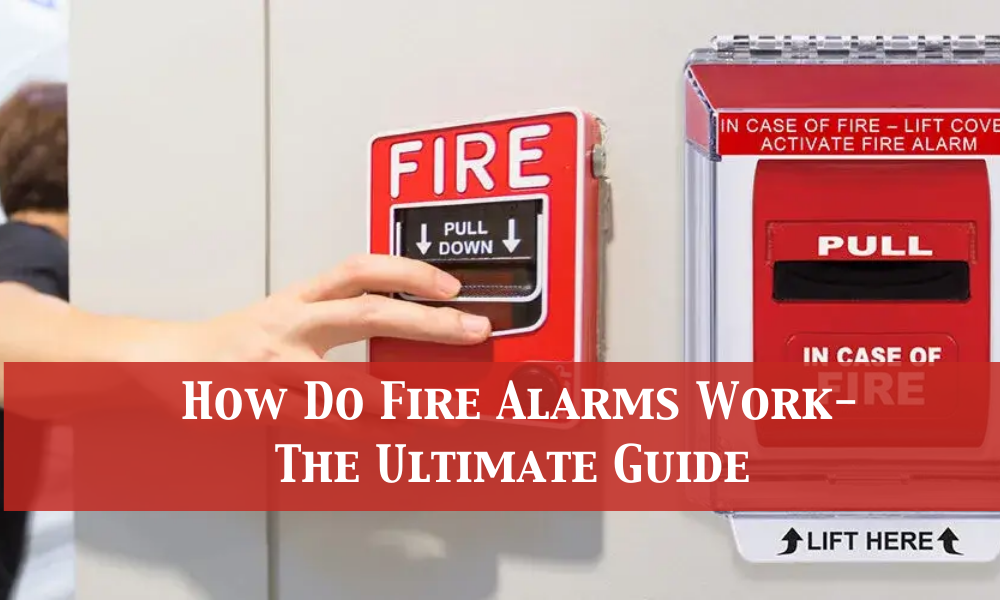
How Do Fire Alarms Work- The Ultimate Guide

Fire alarms play a crucial role in early fire detection and prevention, serving as the primary function to alert building occupants about the presence of fire and providing time to evacuate while potentially saving lives. Unlike standalone devices that simply make a sound when smoke is present, modern systems are part of a complex and interconnected system where a well-designed fire alarm system incorporates several components working together to detect fire hazards, communicate alarms, and ensure swift action.  These systems function as lifelines in emergencies, protecting staff and the general public across offices, factories, and public buildings that are part of our everyday routine yet often overlooked until an emergency occurs, when they might just save lives. The sophistication goes beyond basic detection. When any method of detection triggers and the alarm is triggered, sounders operate to warn people in the building to evacuate, while advanced systems incorporate remote signal systems that can alert the fire brigade via a central station, transforming these life safety systems from simple alarms during evacuation practice or false alarm scenarios into comprehensive protection against actual fire through complex design and engineering that maintains their primary purpose. Fire Alarm System Components A fire alarm system operates as a sophisticated network of devices designed to detect fire hazards and alert building occupants to potential danger, where these systems integrate multiple components working in harmony. The detectors serve as the sensory organs that detect environmental changes, including smoke, heat, and gases, to trigger an alarm, with modern systems allowing devices to work independently or alongside other devices to initiate a response.  When detectors sense a fire hazard, the system triggers sounders to alert everyone in the building, often incorporating visual alarms like flashing lights to assist those with hearing impairments, while the control and indication equipment – particularly the control panel acting as the system’s brain – receives input from detectors and, when a threat is detected, activates the alarms.  Advanced communication systems in modern fire alarms feature advanced communication capabilities, transmitting alarm signals directly to Alarm Receiving Centers (ARCs), ensuring these systems don’t just alert building occupants but also communicate with monitoring stations for swift response during an emergency. Having worked with various installations, I can attest that the Fire Alarm Control Panel truly functions as the central hub where all detector signals are wired to provide status indication to users, with the unit capable of being set up to simulate an alarm for routine fire and evacuation drills, so staff know what action to take during a real fire. An intruder alarm system enhances security by detecting unauthorized access and instantly alerting homeowners or business owners. Types of Detectors Smoke Detectors Smoke detectors are the most common fire detection devices that operate by sensing the presence of smoke particles in the air. Ionization detectors are more responsive to fast-flaming fires, producing small amounts of smoke that spread rapidly. Due to limitations and radioactive material, ionization detectors are outdated and banned in most countries. Modern optical (photoelectric detectors are safer and more effective at detecting smoldering fires. Heat Detectors Heat detectors respond to temperature rise rather than smoke, ideal for kitchens or garages where everyday activities produce smoke. Fixed-temperature detectors activate when a certain temperature is reached. Heat detectors work like an electrical fuse containing an eutectic alloy – when the temperature is reached, the alloy turns from solid to liquid, triggering the alarm. Carbon Monoxide Detectors Carbon monoxide detectors are electronic detectors used to indicate a fire outbreak by sensing the carbon monoxide level in the air. Carbon monoxide is a poisonous gas produced by combustion. Carbon monoxide fire detectors use the same sensor type but are more sensitive and respond quickly. They have an electrochemical cell that senses carbon monoxide but not smoke. Multi-Sensor Detectors Multi-sensor detectors combine inputs from optical and heat sensors using a sophisticated algorithm built into the detector circuitry. They’re designed to be sensitive to a wide range of fires. Multi-sensor detectors enhance fire detection accuracy and reduce false alarms through algorithms that allow more confirmations, ideal for residential and commercial settings. Manual Call Points A Manual Call Point enables personnel to raise the alarm by breaking the frangible element on the fascia. When building occupants spot a fire faster than detection devices, they activate the manual pull station. These range from sophisticated intelligent smoke detectors to simple manually operated break-glass units, representing a wide array of detection devices at the core of fire alarm systems. Placing a fire extinguisher in key areas of your property can significantly reduce the risk of fire damage and improve emergency response. Types of Fire Alarm Systems Conventional Fire Alarm Systems Conventional fire alarm systems use physical cabling to interconnect call points and detectors, with signals wired back to the main control unit. Call points and detectors are arranged in zones to simplify locating the cause of the alarm. Each zone is indicated at the Fire Alarm Control Panel with an indicator lamp or text display. The control panel is wired to a minimum of two sounder circuits containing bells or electronic sounders. Addressable Fire Alarm Systems Addressable systems follow the same detection principle as conventional systems, except each detector receives a set address through a dip-switch. The control panel can determine exactly which detector initiated the alarm. The detection circuit is wired as a loop where up to 99 devices connect to each loop. Loop Isolation Modules section. The loop ensures that a short circuit only affects a small part of the system. Intelligent Fire Alarm Systems Intelligent Fire Alarm Systems feature each detector incorporating its own computer that evaluates the environment and communicates to the Control Panel about fire, fault, or detector head cleaning needs. Intelligent systems are more complex and incorporate more facilities than Conventional or Addressable Systems. Their primary purpose is to prevent false alarms, available in 2, 4, and 8 loop versions. Wireless Fire Alarm Systems Wireless Fire Alarm Systems are an effective alternative to traditional wired fire

Signs of Fire
Blog

Key Signs of Fire You Should Never Ignore

When a fire starts, it becomes an immediate danger that can leave you feeling trapped and ready to panic. However, if you notice the early warning signs, you’ll have precious time to evacuate the building and help others escape safely.  Recognising a blaze before it develops can be the difference between a minor incident and a life-threatening disaster. Early fire detection significantly reduces injuries, deaths, and property damage by providing crucial response time. Fire safety signs are crucial because they guide people on what action to take during a fire emergency, making overwhelming situations more manageable when you might lose your wits. Signs of a Fire Here are some signs of fire. Smoke Smoke is the most obvious sign of fire – as the adage goes, there’s “no smoke without fire.” If you know the fire is outside the door, use wet towels to block gaps around the edge and protect yourself while you wait for rescue or plan your escape. Remember that smoke rises, so if you must pass through a smoky room, stay close to the ground whenever possible. Typically, smoke serves as the first visible indicator of fire, and its characteristics tell you what’s burning. White or gray smoke often indicates materials are in an early smoldering phase or moist materials are burning, while black smoke suggests petroleum products, plastics, or synthetic materials are involved, indicating common hydrocarbon fires that represent a more serious, rapidly developing situation with rapid heat release.  The behavior of smoke provides valuable clues – when it hangs in layers or moves in unusual patterns, it can indicate the fire’s location and how it’s spreading through the building. Rising smoke that suddenly changes direction might reveal air currents that could potentially feed the fire with fresh oxygen, affecting ventilation patterns. Most critically, smoke inhalation is the primary cause of fire-related deaths, more so than burns or structural collapse, because it contains toxic combustion products like carbon monoxide that cause disorientation and unconsciousness within minutes, making it harder to escape. These hazardous substances are what escape more easily. A reliable smoke detector is your first line of defense against fire hazards in homes and commercial spaces. Heat Buildup Before visible flames appear, rising temperatures often provide the earliest warning of a potential fire. Materials typically begin to release heat as they approach combustion, creating thermal patterns that can be detected by specialised equipment using infrared technology. In residential and commercial settings, heat buildup often occurs in areas with electrical equipment, heating systems, or combustible materials. Modern detection systems are calibrated to identify dangerous ambient temperature thresholds. Most fire sprinkler systems activate when the ambient temperature reaches between 135-165°F – the point where glycerin-based liquid inside sprinkler heads expands enough to break the glass bulb that contains it due to thermal expansion. The areas most prone to heat buildup include spaces near electrical panels, furnace rooms, and storage areas with flammable materials. Alarms And Detectors The first sign you might notice of a fire elsewhere in the building is your fire alarm or detector going off. Often, you might catch fire before it spreads and put out the flames, saving life and home. But even if you’re late to stop the fire, you’ll probably have enough time to get out of the building. It’s imperative to test detectors and fire alarms regularly and change batteries in depleted units. Understanding How Different Smoke Detectors Function Understanding how different smoke detectors function can help you choose the right protection for your home or business. The two primary technologies are ionisation and photoelectric detection, each with specific strengths for different fire scenarios. Ionisation smoke detectors contain a small amount of radioactive material positioned between two electrically charged plates, which creates a continuous flow of ions (electrically charged particles). When smoke particles enter the chamber, they disrupt ion flow, reducing electrical current and triggering an alarm. These units respond quickly to fast-flaming fires often involving flammable materials, but are prone to false alarms from cooking steam and dust. Photoelectric detectors work differently, using a light source aimed into a sensing chamber away sensor. When smoke enters the chamber, particles scatter the light beam, reflecting onto the sensor and activating the alarm. These excel at detecting slow smoldering fires that produce larger smoke particles and generate fewer false alarms. Regular maintenance is essential for both types – testing monthly, replacing batteries annually (unless using 10-year sealed batteries), and replacing the entire detector every 8-10 years ensures proper functionality. For complete protection, fire detection and alarm systems often combine both technologies. Our system control access services provide real-time monitoring and restricted access to enhance overall safety and efficiency. Smell/Odors Even when you can’t see fire, you might smell it before seeing flames. Smoke has a distinct taste and smell, but so does whatever burning – if you smell before you see, you’ll have a better chance of escaping. Incidentally, your pets might smell fire before you do, as dogs have a much better sense of smell, so pay attention to their behaviour and learn to recognise when they’re giving you a warningof  danger. Some of the most commonly missed fire warning signs are unusual sounds and odors that precede visible smoke or flames. Electrical issues, which cause many structure fires, often announce themselves through distinctive buzzing, popping, or crackling sounds. These noises typically indicate arcing, short circuits, or overheating components that could ignite nearby materials. Similarly, distinctive smells can provide early warnings. These subtle warnings are easily dismissed, especially in busy environments. However, investigating and addressing these sensory cues immediately can prevent the development fire situation. If you can’t identify the source of an unusual smell or sound, it’s always safer to evacuate and call emergency services like your local fire and rescue service, Lancashire Fire and Rescue Service, or London Fire Brigade. Loud Noises If you’re a heavy sleeper, loud noises might not rouse you, but sounds like people shouting, sirens, or the collapse of parts building are a

Emergency Lighting Regulations
Blog

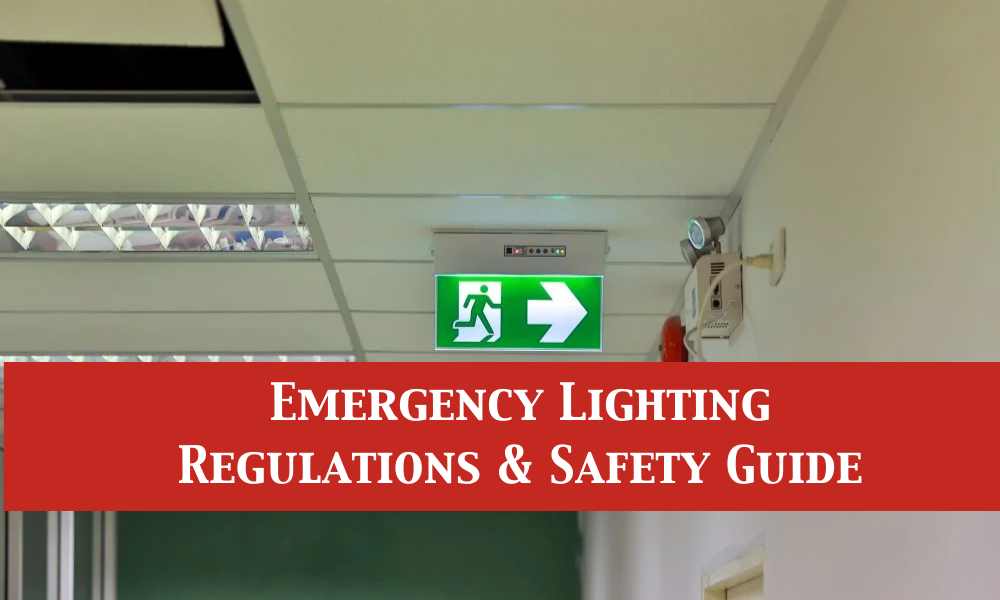
Emergency Lighting Regulations & Safety Guide

Emergency lighting is an important safety device in emergencies when normal electrical lighting has a mains power supply failure caused by a power cut or fire. Even a sudden blackout can cause panic, and it may be difficult to evacuate the building unless it is safe to occupy inside. The majority of power outages need emergency lights that can automatically turn on in select sections of a building to allow occupants to safely evacuate using designated routes. The British Standard gives detailed advice to emergency lighting designers installing emergency lighting fixtures, BS 5266-1, addressing a wide range of facilities: colleges, schools, nursing homes, hospitals, licensed premises, clubs, hotels, shops, museums, offices, and multi-storey buildings.  The installation and maintenance of these systems is regulated in the UK, and it is important that property owners and managers are up-to-date with what is required of them in terms of compliance with their premises. When the primary power is shut down, everyone should be aware of the escape route, and it should be ensured that the emergency lighting does not stop under any circumstances, whether the condition is hot, cold, or some special circumstances, which may involve special requirements. What Is Emergency Lighting? Emergency lighting offers much-needed light in times of emergency when the mains power supply is disrupted by a power cut or fire. When power to the usual light fixtures is disrupted, these systems turn on automatically to provide uninterrupted visibility at any given time. In addition to essential functionality, emergency lighting is crucial in saving lives in unforeseen circumstances because power failure scenarios need emergency lighted escape paths to assist occupants in evacuating safely. The main objective goes beyond mere lighting; emergency lighting aims at curbing panic through a sense of direction and safety in a situation where vision is impaired. Publicly, emergency lighting is more than just precautionary, but a legislative necessity to keep people safe and to maintain orderly evacuation in case of emergency. Conducting a thorough fire risk assessment helps identify potential hazards and ensures compliance with safety regulations. Types of Emergency Lighting Systems Emergency lighting systems fall under either the maintained or non-maintained category, and they have different uses in various settings. Maintained systems are systems that are kept running and can be lit regularly, but during a power outage, they turn on to battery power. Such systems are best used in social places such as theatres and shopping malls where the lighting requirements are similar. Non-maintained systems remain off during normal conditions and turn on when power goes off, and are therefore applicable in workplaces and industrial environments where emergency lights are required, namely in cases of emergency. Central battery systems are emergency lighting systems in which a localized power source is used to provide emergency backup power to a series of lights throughout a facility. These also have great benefits, such as ease of maintenance, as all the batteries are in one area and thus easily checked and replaced. They are especially useful in large buildings, where there is a lot of lighting to be done. Self-contained units, also called standalone emergency lights, are individual fixtures equipped with their own power source, typically a rechargeable battery. These versatile units can be easily installed in various locations, making them a convenient choice for many buildings. Historical Context and Development Emergency lighting has evolved significantly over the years, driven by the need to enhance safety in buildings. The origins trace back to the early 20th century, when basic systems were introduced to illuminate exits during power cuts. As urbanisation increased, so did the complexity and size of buildings, necessitating more sophisticated emergency lighting solutions. The tragic events of fires and building collapses, where inadequate lighting led to loss of life, underscored the importance of reliable exit routes. This spurred legislative changes and the development of standards like the British Standard BS 5266-1, which formalised the requirements for emergency lighting systems. What’s the Difference Between Non-maintained and Maintained Emergency Lights? Maintained emergency lights remain always on and are mains powered, typically forming part of a room’s normal lighting system but continuing to stay lit during emergencies like a power cut. When powered by a backup battery, the duration they stay on depends on battery capacity. This emergency lighting system suits non-residential buildings, including shopping centres, cinemas, and leisure centres. In public buildings such as bars, theatres, and cinemas, where normal lighting systems are often dimmed, maintained luminaries become compulsory. Non-maintained lights typically activate for a certain duration when supply to standard lighting fixtures fails. These lights serve buildings that are usually well-lit when occupied, such as offices. Non-maintained lighting systems rely on batteries charged by a constant trickle of power from the mains, requiring sufficient charge to stay lit for a minimum of 3 hours when mains power fails. Emergency Lighting Power Supply Types Emergency lighting systems are powered by either single-point or Self-contained Power Source systems or Central Battery Source configurations. The main advantage of single-point systems lies in installation being faster and cheaper, eliminating the need for additional emergency lighting wiring or hardware. However, these options typically have limited battery life and can be affected by local conditions like humidity. Central battery source systems prove more straightforward for maintenance and testing purposes, but are significantly more expensive to set up. The choice between these power supply types depends on building size, budget constraints, and long-term maintenance considerations. Our system control access services provide real-time monitoring and restricted access to enhance overall safety and efficiency. Key Regulations Article 14 of the Regulatory Reform (Fire Safety) Order 2005 mandates emergency lighting installation in all commercial and public buildings. Emergency routes and exits must have illuminated signage and adequate lighting during power failures. The responsible person—typically the employer or building controller- bears legal responsibility for compliance. Primary standards include British Standard BS 5266-1 governing design, installation, and maintenance, and BS 5266-7 for risk assessment procedures. Building Regulations Approved Document B and European standard EN 1838 establish minimum illumination

Fire Alarm Regulations
Blog

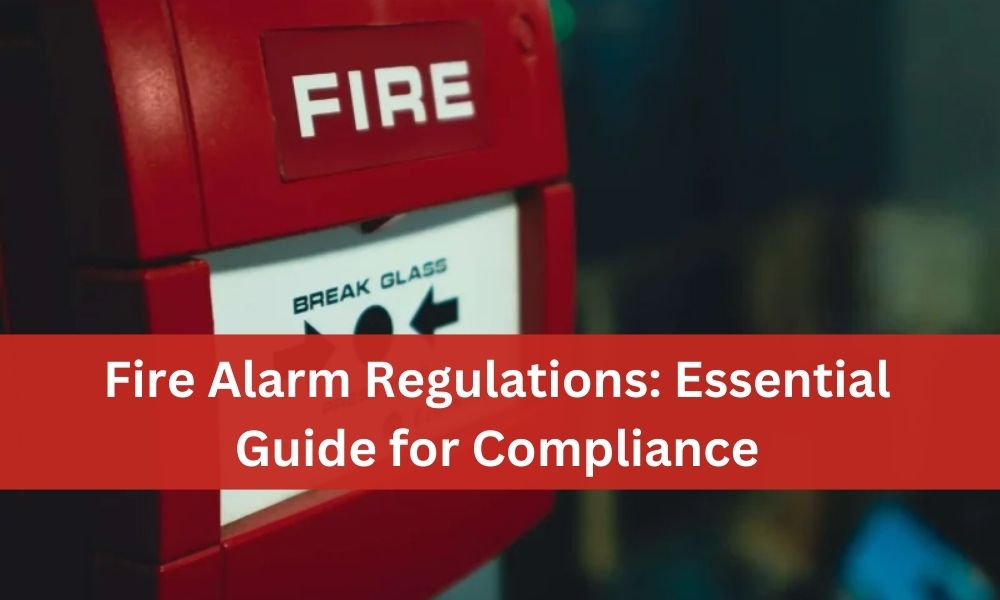
Fire Alarm Regulations: Essential Guide for Compliance

When managing commercial buildings in the UK, understanding fire alarm regulations becomes crucial for safety and legal compliance. The regulatory framework established through the Regulatory Reform Fire Safety Order 2005 (RRO) mandates that business premises implement appropriate fire detection systems while following British Standard BS 5839 guidelines. As a fire safety professional with years of experience, I’ve witnessed how confusion around fire alarm legislation can lead to costly mistakes for businesses. The UK government requires all commercial properties to have suitable methods for detecting fires and alerting people on-site, making property owners both legally and morally responsible for maintaining these critical systems. Whether you’re operating public buildings, retail spaces, or industrial properties, the nature and location of your property will determine specific fire alarm requirements under current legislation and standards. Legal Requirements for Fire Alarms The FSO 2005 establishes clear expectations for non-domestic premises, though the law doesn’t automatically dictate that every workplace needs a traditional fire alarm system. Instead, current UK fire alarm regulations focus on ensuring appropriate means of detecting and warning against fires exist throughout your business premises. From my experience auditing various commercial settings, most businesses find that smoke detectors and comprehensive alarm systems represent the best way to achieve regulatory compliance while protecting occupants. The key question isn’t whether you’re legally required to install specific equipment, but rather whether your Fire Risk Assessment demonstrates adequate fire detection capabilities for your unique operational environment. Small, simple, single-storey or open-plan premises might satisfy requirements through alternative means if they don’t store high-risk substances like chemicals, avoid high-risk activities such as cooking, and lack vulnerable occupants, including the very young, elderly, or disabled. However, most commercial properties will probably need a reliable fire detection and alarm system to ensure realistic means exist for fire to be detected and building users to receive adequate warning. Your Fire Risk Assessment should specifically state whether automatic fire detection installation becomes necessary, serving as the cornerstone of your comprehensive business fire safety plan. A reliable smoke detector is your first line of defense against fire hazards in homes and commercial spaces. Types of Fire Alarm Systems Selecting between the 3 main types of fire alarm systems. It depends on your specific premises characteristics and operational needs Conventional Fire Alarm Conventional Fire Alarm technology divides your building into broad zones, allowing the fire alarm panel to identify general problem areas during an alert while remaining most suitable for smaller or lower-risk environments. This approach provides cost-effective coverage for commercial properties where precise location identification isn’t critical for evacuation procedures. Addressable Fire Alarm Addressable Fire Alarm systems assign each device a unique electronic address, enabling the fire alarm panel to tell you precisely where problems occur when any unit activates. This technology proves most suitable for larger or higher-risk environments like schools, care homes, and hospitals, where faster response times and targeted building evacuation become essential.  Wireless Fire Alarm Wireless Fire Alarm systems use secure wireless links between sensors and the control panel, typically working like addressable systems without requiring extensive wiring. These prove most suitable for historic properties, churches, and other buildings where installation challenges make traditional cabling impractical or where discreet placement becomes necessary. Fire Alarm System Grades and Categories Navigating the complex area of grades and categories requires understanding how these classifications define both construction standards (grades) and coverage requirements (categories) for your fire alarm system.  Fire alarm grades span from A (the highest grade) through F (the lowest), with residential buildings typically meeting UK fire alarm regulations through lower-grade systems (D-F) that operate independently without central control panels or back-up battery power. Businesses generally need more substantial systems to comply with UK fire alarm legislation, specifically A through C grade installations that feature higher-grade systems wired into central fire alarm panels, connected to mains power supplies, and equipped with back-up power supplies. The 2 main fire alarm categories include Category P systems designed to protect property and Category L systems focused on protecting life, with Category P systems typically installed at insurer requests. Determining which grade and category your business requires depends heavily on factors like operational nature, premises size and layout, and specific risk profiles. Our system control access services provide real-time monitoring and restricted access to enhance overall safety and efficiency. Installation Requirements While UK fire alarm regulations impose no specific licensing requirements for fire alarm installation, they mandate that installers demonstrate competence across multiple technical areas. Any person or company undertaking installation work must understand various types of fire alarm systems and their operational principles, maintain familiarity with leading makes and models available in the market, and possess the ability to identify appropriate grade and category specifications for different applications.  Installing modern fire alarm systems demands specialized expertise and current knowledge of evolving fire safety regulations. Industry best practices strongly recommend engaging BAFE-certified contractors for fire protection services, as BAFE certification verifies that chosen companies consistently meet all relevant standards through independent auditing processes.  Although formal accreditation isn’t currently mandated as a legal requirement for all fire protection service providers, leading organizations maintain necessary accreditations to offer customers enhanced peace of mind and demonstrate ongoing commitment to professional excellence. How Often Should Fire Alarms Be Serviced Effective maintenance schedules require businesses to ensure central control panel monitoring for issues or faults at least every 24 hours due to these units’ integral role in system operations. Manual call point testing should occur in a weekly rotation, with comprehensive logbook documentation for all checks and procedures.  Regular maintenance protocols must ensure all relevant occupants of protected premises receive instruction in proper system use through necessary training and induction procedures, while maintaining a clear space of 500mm around each smoke detector and keeping all manual call points unobstructed and easily visible. Professional service by competent providers every 6 months helps maintain compliance with BS 5839-1 (British Standard for non-domestic premises), as BAFE SP203-1 Registered Organisations follow multiple recommendations for inspecting and testing these critical systems. Neglecting maintenance creates serious

Understanding the Fire Triangle
Blog

Understanding the Fire Triangle: Key Safety Guide

Fires are often unpredictable, destructive, and can cause tragic loss of life. Understanding how fire works can help us prevent it, predict it, and control it. One of the most basic concepts in fire safety is the fire triangle. In school, we often educate children about how fires are ignited and what causes them to spread.  Composed of three elements, the fire triangle provides a clear and simple method for raising awareness of how and why fire is able to spread so quickly – knowledge that could literally save lives. This fundamental concept in fire prevention offers a simple model for understanding the necessary ingredients for fires: heat, fuel, and oxygen. The model illustrates how these elements interact to sustain a fire and how removing any one can extinguish it, allowing individuals and businesses to enhance their emergency response and implement robust measures. What Is The Fire Triangle? The fire triangle is a simple model that explains what elements need to be present for a fire to ignite and burn. It consists of three elements: heat, fuel, and oxygen – without either of these three, a fire cannot start or sustain itself. Also known as the combustion triangle, it helps us understand the chemical reaction needed to create and fuel a fire. All three elements must be present to ignite a fire. These essential elements each play a critical role in sustaining a fire, and their interaction is the key to understanding fire dynamics. If even one of the components is removed, the fire triangle collapses and the fire is extinguished. This simple model helps explain the elements required to ignite and sustain a fire. For a fire to start and continue burning, all three components must be present – if one element is removed, the fire cannot sustain itself. This principle is fundamental to firefighting techniques and fire prevention strategies. A reliable smoke detector is your first line of defense against fire hazards in homes and commercial spaces. The Three Elements of the Fire Triangle Heat  Heat is necessary to ignite a fire and can come from a variety of sources, including open flames, electrical sources, and friction. Once ignited, a fire will continue to produce heat, causing it to spread and intensify. This heat can cause burn injuries or ignite combustible materials, and the heat generated is what sustains the fire and keeps it burning.  Heat also plays a vital role in determining the flash point and fire point of a material. The temperature at which a material will ignite and the temperature at which the material will continue to burn. Knowing these points is important in preventing fires by understanding the danger of specific chemicals and materials. Sources of heat can be natural or man-made. The sun and lightning strikes are examples of natural sources of heat, while some man-made sources include welding equipment, cooking appliances, and matches. It’s essential to be careful when using these sources, not to ignite any flammable materials around them. As a combustible material succumbs to a fire, heat will be naturally produced.  The only way this can be cooled is by the application of water for some types of fires, though other fires may need to be doused in foam or other liquids or substances to either reduce the heat source or suffocate a fire. Heat serves as the energy source that raises the temperature of the fuel to its ignition point, acting as the catalyst that ignites the fuel and setting off the chain reaction that sustains the fire. Fuel  Just like how a car needs fuel to run, a fire also needs fuel to sustain itself. Fuel refers to any combustible material that can burn when exposed to heat and oxygen. Various types of fuels contribute to fires, ranging from natural materials such as wood, paper, and leaves to synthetic materials like gasoline and plastic. It’s essential to note that different fuels burn at different rates and temperatures, producing various flames and smoke. A flashover is a deadly phenomenon that occurs when all combustible materials in a room reach their ignition temperature simultaneously. When this happens, the heated gases burst into flames, creating a massive fireball that engulfs the room. On the other hand, backdraft is a similar condition that occurs when oxygen-deprived fire conditions suddenly get access to fresh air, causing an explosion. Backdrafts are explosive and can cause severe harm to anyone in their vicinity. A fire cannot ignite without an object or material present to enable the fire to burn – businesses and homes contain a variety of different combustible materials which will help fuel a fire, including wood, paper, oil, and fabrics. While some materials burn more rapidly than others, a fire can still spread relatively easily, particularly in the home. Even wallpaper can help fuel a fire – a material that cannot be easily removed from the home. Our system control access services provide real-time monitoring and restricted access to enhance overall safety and efficiency. Oxygen  Fire needs three elements to ignite and sustain: heat, fuel, and oxygen. The role of oxygen in a fire is to help oxidize or break down fuel molecules into smaller combustible compounds, releasing energy and heat. The oxygen contained in the surrounding air diffuses in and reacts with the fuel, making the fire hotter and brighter. Oxygen acts as an oxidizer, and without it, fires would not exist. Oxygen supports combustion, and an adequate supply of oxygen can make the flame burn brighter, hotter, and faster. During a fire, there is a constant supply of oxygen as it diffuses from the surrounding air. The amount of oxygen present can influence the rate and intensity of the flame. To extinguish a fire, you can remove the oxygen supply by smothering the flame with an agent that blocks out the oxygen supply.  Despite 21% of the earth’s atmosphere being made up of oxygen, this small amount is just enough to both ignite and sustain a fire, should the other

Temperature of Fire
Blog

Temperature of Fire: How Hot Can Flames Really Get?

No matter what kind of industry you work in, having a solid working knowledge of fire’s properties becomes an essential part of fire safety. The temperature of fire varies dramatically depending on the source and kind of fire you’re dealing with, and understanding these nuances will significantly inform your overall knowledge of how fire works. Everyone knows that fire is hot, but how hot can it actually get? Not everyone realizes there are different temperatures for fire depending on the fuel and oxidizer type involved – there’s a huge difference in temperature between a simple flame burning on a candle and the fire produced by a propane torch. You never think your home will be the one to catch fire, after all, that’s something that happens to other people, not to you, right? Yet everyone who has ever fallen victim to a property fire had this exact mindset before the incident occurred. The statistics are sobering: each year more than 2500 people die and 12600 more are injured in home fires across the US, with property damage reaching an estimated 7.3 billion dollars annually. Combined Fire Temperature Examples/Sources of Heat Candle Flames The outer core of a candle flame burns at 1400°C, while the core of the flame reaches 800°C – quite surprising for such a tiny flame! The temperature of a candle typically burns between 600 and 1400 Celsius (or 1112 to 2552 Fahrenheit). What’s particularly fascinating is that the hottest part of any flame occurs at its base, where the average temperature usually hovers around 1000°C. When you light a candle, despite the flame appearing relatively large compared to its fuel source, it can be remarkably hot. Wood Fire/Log Fire Flames That crackling fire in your fireplace is typically burning at around 600°C – perfect for warming your hands from a safe distance. A household wood fire generally burns at approximately 600°C, though the temperature can change depending on the type of wood and its condition. Most wood fires typically fall within the 800°C to 1100°C range, though certain substances and processes can generate incredibly high temperatures that far exceed these baseline measurements. A reliable smoke detector is your first line of defense against fire hazards in homes and commercial spaces. Bonfire Flames A bonfire built with charcoal and wood can burn at a staggering 1100°C. The temperature of a typical bonfire gradually heats up to around 600°C, though bonfires can easily reach 1000-1100°C under the right conditions. These fires can achieve temperatures as hot as 1100 degrees Celsius (2012 degrees Fahrenheit), making them high enough to melt some metals depending on their composition and melting points. Matches A burning match represents a small flame that packs surprising heat – a typical household match burns at temperatures ranging from 600-800°C. Bunsen Burner Flames A Bunsen burner proves highly adjustable, with safety flames measuring around 300°C. However, fully open Bunsen burners can reach 1500°C, producing piercing blue and white flames that are clearly visible and intensely hot. Propane/Gas Flames A blow torch burns at approximately 1600 Celsius (or 2900 Fahrenheit), while a propane torch reaches about 1977 Celsius (3590 Fahrenheit). The combustion of propane and air produces roughly 1900°C, and a butane fire will generate a similar temperature. Propane blowtorches serve as an oft-used tool for metalworking and welding, which makes sense considering these torches can produce flame temperatures between 2192 and 3092 degrees. Oven Walls The walls of an oven generate temperatures of approximately 500°C. Other Temperature Examples The Sun presents the ultimate example of extreme heat – its surface reaches 2000000°C, which seems incomprehensibly hot until you consider it’s lukewarm compared to the core, which burns at 15000000°C. An electrical spark generates 1316°C, while lightning produces an astounding 30000°C. Our system control access services provide real-time monitoring and restricted access to enhance overall safety and efficiency. Flame Color Temperature The two most distinguishing properties of fire are heat and colour, with the colour of a flame being directly influenced by its temperature. This means you should be able to estimate the temperature of a fire by identifying the colour of the flames – a skill that proves invaluable in understanding fire behavior. Depending on the temperature of the fire, the dominant colour of the flame changes dramatically. There are a number of different colours that become visible with varying heat levels, each telling its own story about the fire’s intensity. The hottest part of any flame is typically the base, so this area typically burns with a different colour compared to the outer edges or the rest of the flame body. Blue flames represent the hottest temperatures, followed by white, then yellow, orange and red become the common colours you’ll see in most fires. Weaker red flames can range from 525°C to 1000°C, while a more vibrant red (something closer to orange) will hit the higher end of the scale, measuring nearer the 1000°C mark. Orange flames range from around 1100°C to 1200°C, while white flames are hotter, measuring 1300°C to about 1500°C. For blue flames, or flames with a blue base, you can expect the temperature to rise dramatically, hitting roughly 2500°C to 3000°C. Flames contain layers of temperatures as they burn, creating a variety of colors viewers can marvel at. Fires are marvelous to witness because of the many colors produced by the flame – the color of fire serves as an indicator of how hot the flame actually is. Gas stoves are very hot, which explains why it’s common for them to emit blue flames. Candles can emit blue flames as well, though usually only at the base of the flame. As the flame rises, it loses energy and heat, culminating in the bright and peaceful colors of orange and yellow. Conducting a thorough fire risk assessment helps identify potential hazards and ensures compliance with safety regulations. Property Fire Temperature Information The heat generated in a property fire is actually more dangerous than the flames themselves – the heat alone can kill. Room

What is a Fire Door
Blog

What is a Fire Door – Complete Guide

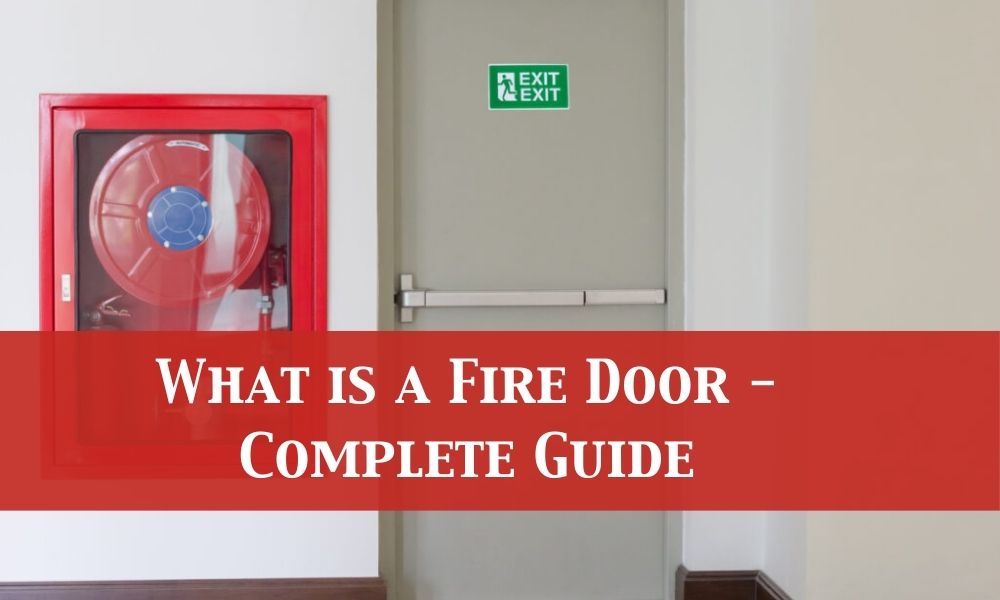
When it comes to home upgrades, a fire door might not be the most glamorous purchase, but it’s easily one of the most important. Often overlooked until they’re urgently needed, fire doors are a quiet, essential part of home safety that work behind the scenes to save lives and protect property.  Whether you’re renovating a period property, tackling a loft conversion, or managing a multi-occupancy building, understanding the role and regulations surrounding fire doors is absolutely vital. They’re not just about ticking a compliance box. They’re about making sure that if the worst does happen, you and your family or tenants have time to get to safety. And with so many options available, from sleek glazed styles to heavy-duty commercial-grade sets, there’s a fire door for every project type and budget. Additionally, these doors are wider and heavier when compared to the other types of doors. When the topic of fire safety equipment arises, many people think of alarms and extinguishers. But exactly what is the purpose of a fire door? And does your business need to have fire-resistant doors installed? What is a Fire Door When discussing fire safety equipment, most people immediately think of alarms and extinguishers. However, a fire door represents something far more essential. A complete door assembly that serves as your building’s passive fire protection strategy. Unlike standard doors, these specially designed units comprise a door frame, leaf or leaves, essential hardware, edge seals, glazing, and integral side panels or fanlight panels in an associated glazed module. What makes them truly vital is their fire-resistance rating, which details the length of time the doorset and its materials can withstand smoke and fire – anywhere from 15 minutes to several hours, depending on the rating. Whether you’re renovating a period property, tackling a loft conversion, or managing a multi-occupancy building, understanding their role and regulations is absolutely vital. They’re not just about ticking a compliance box. They’re about making sure that if the worst does happen, your family or tenants have time to get to safety.  A reliable smoke detector is your first line of defense against fire hazards in homes and commercial spaces. Fire Door Materials and Construction Fire doors are constructed specifically to prevent the spread of smoke and fire, utilizing a combination of glass, steel, timber, gypsum, and aluminum. These fire-resistant materials include specially tempered glass, vermiculite boards, and aluminium, each chosen for its unique properties.  Intumescent seals are fitted on the sides and top of the door, which expand in size when heated, filling the gaps between the door and frame while stopping smoke and gas. Interestingly, steel fire doors don’t require these types of seals because they naturally expand in a fire, sealing out smoke around the edges. When selecting fire-resistant materials, you should consider the advantages of each material in terms of fire resistance, durability, maintenance, and aesthetic appeal. Solid wood, composite, and steel each offer distinct benefits, with timber doors providing excellent fire resistance while maintaining visual appeal, and steel offering superior strength and natural expansion properties during extreme heat exposure. Fire Door Ratings and Classifications Certified fire doors receive a fire-resistance rating that determines the length of time the doorset and materials can withstand smoke and fire. The type depends on the integrity level and minutes of fire protection they provide, ranging from 30 minutes to 120 minutes.  There are four types of fire door classifications:  Fire doors are classified based on their ability to resist fire and smoke, with the most common ratings being FD30 Fire Doors, which resist fire for 30 minutes, and FD30S Fire Doors, which provide 30 minutes of fire resistance but include smoke seals to prevent smoke from spreading. Our system control access services provide real-time monitoring and restricted access to enhance overall safety and efficiency. Fire Doorsets and Components A fire doorset is a precisely designed and engineered component set that comprises the door leaf, door frame, hardware, intumescent seals, and smoke seals. These doorsets are designed to stop the spread of fires and smoke for a certain amount of time, helping to protect exits and ensuring people are able to evacuate in the event of a fire.  A safe means of escape is vital when fire breaks out in your building, and the right doors help ensure you can clear the area effectively. They can be used in residential, commercial, and industrial settings to provide protection from fires. Fire door windows are made from ceramic glass or borosilicate glass and may be fitted with anti-shatter wire mesh. All fire doors must have a hydraulic or spring-loaded closing mechanism and be fitted with a minimum of three commercial-grade hinges.  When looking for a fire doorset, it’s important to consider factors such as the fire rating (FD30 or FD60), the size and style of the door, and the hardware and seals included. It’s also important to ensure the fire doorset is installed correctly by a qualified professional to ensure maximum protection. Fire Door Requirements and Regulations Not every door in a home needs to be a fireproof door, but building regulations require them in specific areas. Three-storey homes, including loft conversions, must have fire doors between rooms and stairwells.  Flats and HMOs need fire-rated doors on flat entrances, kitchens, and other specified rooms. Internal garage access always requires a fire door, usually FD30. Following fire door regulations isn’t just best practice – it’s the law. The Fire Safety (England) Regulations 2022 brought in stricter rules around inspections and responsibilities for landlords and building owners. Any building that comprises more than two stories must have fire doors for safety purposes, and houses with internal garages are required to have fire doors. The Regulatory Reform (Fire Safety) Order 2005 (RRO) mandates that all business premises in the UK must be equipped with fire doors.  These must be positioned in such a way that they provide a clear route to either the outside of a building, a fireproof area on the same floor, or a

Vaping Set Off Smoke Alarms
Blog

Does Vaping Set Off Smoke Alarms? Here’s What You Need to Know

Vaping indoors may not appear like a big deal, unlike traditional smoking, because after two or three puffs, the fire alarm deafeningly rings unexpectedly. Being at home, a hotel room, or ain n office building, one can barbecue and vape without panicking because emergency services might disturb you, understanding how smoke detection systems react to vapor perception. Do smoke alarms set off with vapes then? The short answer is yes – in some circumstances, they can. However, this does not always happen where a triggered alarm is concerned, and much of this simply depends on the gas detector, its type, the concentration of the vapor, and the environment that you are in. Do Smoke Detectors Detect Vape? Learning how vaping can influence alarms, it is important to raise the first question: do smoke detectors detect vape? Vape machines do not give out smoke, as they produce an aerosol. This is the aerosol that is made up of glycerin, propylene glycol, and flavor particles. This is more like an air pollutant, but it may look and act like smoke and behave like smoke when sparked off in large puffs. And there are also those detectors that are sensitive to capture such particles as dangerous. A thorough fire risk assessment identifies potential hazards and helps implement effective fire prevention measures. Smoke detectors come in various forms, and sensitivity is one of the important factors. There are various types of Smoke Detectors and how they respond to Vapor Types of Smoke Detectors and Their Response to Vapor Type of Detector How It Works Can It Be Triggered by a Vape? Photoelectric Uses light beams to detect visible particles Yes – highly likely Ionization Detects charged particles from combustion Possibly – moderate risk Heat Measures temperature changes No, not triggered by vapor Advanced Multi-Sensor Combines optical, ion, heat & CO sensors Yes – sensitive environments The most vulnerable ones are photoelectric detectors. What makes them more sensitive to dense vape clouds is the presence of large particles that obstruct a light beam in the chamber. Therefore, whether a vape will set off a fire alarm or not, the answer is more on the affirmative side in case this kind of sensor is within proximity. Ionization alarms are a little more lenient. They depend on the alteration of electric current due to the charged particles of the air-termed ionized particles, which is more frequent with smoke. However, a reaction may also take place in other circumstances despite heavy vaping. On the other hand, can a fire alarm be set off by steam? Yes, in particular optical sensors. Similarly to vape aerosol, steam can shoot a beam of light within a photoelectric detector, resembling the appearance of a smoke or a cloud of smoke. That is why the use of alarms close to the bathrooms is often also steam-sensitive. Why Does Vaping Sometimes Trigger Fire Alarms? The question Does vaping set off smoke alarms sounds complicated because there are a few aspects related to the environment and human behaviors that influence the answer to this question. System control access allows you to manage who enters your premises, enhancing both security and operational efficiency. So, do e-cigs set off smoke alarms? Certainly, particularly when there is the above-stated. Will a Vape Set Off a Fire Alarm in Real Situations? There are many examples in the real world. Hotels have to face guests frequently setting off alarms because of inside vaping. Offices and schools have recorded cases of alarms triggered during breaks in the WCs. Lavatory smoke detectors have been activated even during flights through the use of e-cigarettes. False fire alarms are no laughing matter; it is not a matter of bothering people or interrupting a smooth operation. They may prompt evacuation operations, the sending of emergency agencies unnecessarily, and may even lead to fines and access prohibitions. So, the better question might be: Should you vape indoors at all if a smoke detector is nearby? What About Steam and Other Vapors? As we noted earlier, can a fire alarm be set off by steam? Yes. Indeed, steam produced by a hot shower or the more common kettle can activate the same kind of detector that is activated by vape clouds and particularly optical sensors. This strengthens the fact that it is particle dynamics and density rather than just smoke. In case you think that there is something like safer or safer vaping since it is not a combustion process, then you are half right. Fire protection is a good thing, but the response of the detector does not matter whether the particles are caused by fire, vapor, or steam. How to Avoid Triggering a Smoke Alarm While Vaping In case of a permitted indoor vaping (it is always better to understand the rules out in the first place), there are still things to do to eliminate the risk of a smoke alarm going off: These are not magic steps, and they are effective in pushing marginal cases in one way or another. Installing a modern smoke alarm ensures quick alerts during smoke emergencies, giving you time to act and evacuate. Do Vapes Set Off Smoke Alarms in Commercial Settings? Detection systems can be more advanced in commercial buildings, schools, and airports. Others even feature special vape-detection technology, which can sense any chemical present in the aerosol: nicotine or THC. Not only are these particle-sensitive, they are specifically designed to detect the use of e-cigarettes. And then, yes, once again, do vapes set off smoke alarms in those places? Yes–and they can even cause automatic notification or security measures to be taken, or punishment. Fire alarm installation is essential for ensuring early detection and prompt response in case of a fire emergency. Conclusion Vaping can set off smoke alarms, especially in areas with poor ventilation or highly sensitive detectors. While many assume vapor is harmless, the reality is that dense clouds from e-cigarettes can behave like smoke and trigger alarms. So, do vapes set off smoke

Fire Risk Assessments
Blog

Fire Risk Assessments: A Complete Guide for Landlords & Tenants

Fire on rental premises is not just a big danger in terms of safety, but also a big issue in terms of legal and financial exposure. When you have wondered What is a fire risk assessment, it is a structured procedure of analyzing possible fire risks in a building and their threats to occupants, particularly in a rented-out house. This is an important process that keeps lives safe, property, and legal duty. You are a landlord who has numerous housing units, or you are a resident of a common place of living, in which case, you should know how fire risk assessment operates and what you can do to contribute to it when the assessment is conducted. What Is a Fire Risk Assessment and How Does It Work? What is a fire risk assessment? It entails establishing fire hazards, determining people who could be at risk, gauging the risk level, application of control risks, and re-reviewing the risks. Through this organized mode, landlords strive to make the world safe for their tenants as they satisfy the law. A competent individual, such as the landlord, a specially assigned responsible individual, or a certified candidate, will normally go through the premises, pointing out sources of ignition, flammable substances, blocked escape plans, and pre-existing fire protection. They then record the assessment based on the findings, implying an upgrade or maintenance where necessary. An intruder alarm system enhances security by detecting unauthorized access and instantly alerting homeowners or business owners. What Is the Legal Requirement for Fire Risk Assessments? So, what is the legal requirement for fire risk assessments? The Fire Safety Order 2005, which is a requirement by the UK, provides legal care to landlords of residential premises in terms of performing a fire risk assessment and periodically reviewing the assessment. This refers to purpose-built blocks of flats, houses of multiple occupation (HMOs), and converted buildings. The task and responsibility of carrying out a fire risk assessment. In case of a responsibility concerning a residential building with common areas (such as hallways or stairwells), you are supposed to make sure that there is a written fire risk assessment at hand. New legislation in higher-risk buildings, including those which are above 18 meters, also requires more thorough and frequent assessments to be conducted. Failure to comply might result in fines, nullification of insurance policies, or even criminal lawsuits. Fire authorities are entitled to visit buildings and serve enforcement notices on properties whose standards have not been observed.. Fire Safety Risk Assessment HMO A fire safety risk assessment for HMOs is particularly vital, as there is a high risk due to various tenants staying under a single roof. Individual cooking appliances appear in separate rooms, and communal areas get crowded. The evaluation has to take into account such situations: Fire alarms, extinguishers, fire blankets, and fire-resistant furnishings must be frequently checked and fitted as stipulated by the law. Self-closing fire doors should be FD30 fire-resistant. Fire safety in HMOs is not optional, as this is influenced by the unique risks that exist in these accommodations. Placing a fire extinguisher in key areas of your property can significantly reduce the risk of fire damage and improve emergency response. How Often Fire Risk Assessments Are Reviewed A question often asked by landlords is: How often should fire risk assessments be carried out or reviewed? Although the frequency of assessing it does not have a specific date, it is advised that the assessment should be reviewed at least every two years, and a complete reassessment every four years. However, in the case of such types of changes as building upgrading, alteration of tenant composition, or new pieces of furniture and equipment, an instant correction is needed. Where there is an older property or HMO, it is recommended to conduct reviews annually to maintain face with the safety standards. The regular inspections not only guarantee the ongoing compliance but also prove a proactive attitude towards establishing the safety of the tenants, which could be priceless should any legal bounds or CA claims be raised. Fire Risk Assessment for Flats Conducting a fire risk assessment for flats is slightly more complex due to the nature of multi-unit buildings. Landlords must assess both individual units (where applicable) and all shared areas. These include: In these buildings, Type 1 fire risk assessments are most common. This involves a non-invasive inspection of common areas. However, more in-depth assessments (Types 2–4) might be required if risks are identified or if the property is undergoing refurbishment. Additionally, responsibilities differ slightly depending on whether the property is leasehold, freehold, or managed through a block management company. But regardless of setup, ensuring the safety of all residents through a structured assessment remains non-negotiable. Key Hazards and Preventive Measures Fire risks in residential buildings usually stem from: The preventive measures are the installation of smoke alarms on all the floors, heat sensing in kitchens, and smoke alarms in rooms with fuel-burning equipment. Blankets and fire extinguishers ought to be available, particularly in HMOs. There is also a need that the escape routes should be well-marked and must never be blocked. Landlords ought to make the tenants realize that they can also play a part in the maintenance of these pathways. With smart features like motion detection and cloud storage, home security cameras offer both convenience and peace of mind. Professional Help and Record Keeping Landlords are allowed to complete fire risk assessments themselves, but using a qualified assessor means they can be overlooked. A report will be given in a detailed fashion with pictures, visible grading of risks, and recommended remedial measures by a professional. The documentation must contain: It is also important to ensure these records are kept up to date and accessible, not only so that you are compliant with the law but to maintain trust between you and your tenants and to help ward off future liability. Landlord and Tenant Responsibilities As much as it is the responsibility of the landlords in fire safety,

Call Now Button